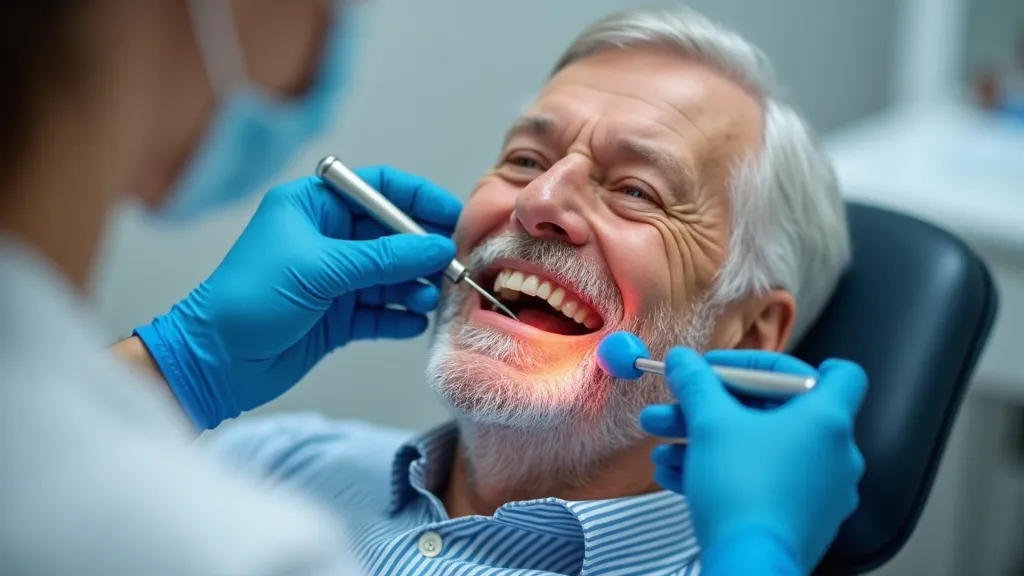
Emergency Dentist Tips: Effective Dental Care and Pain Management
When dental emergencies strike, prompt action and proper care are essential. Here's how to manage pain and maintain dental health when you need it very.

1. Understanding the Role of an Emergency Dentist
In situations involving sudden dental issues, an emergency dentist becomes a crucial resource. These professionals specialize in providing immediate care for problems like severe toothaches, broken teeth, and oral infections. Understanding when to seek help can make a major difference in your overall dental health.
2. Common Dental Emergencies and How to Address Them
Severe Toothache
A persistent, severe toothache can indicate an underlying problem that requires immediate attention. Rinse your mouth with warm water and floss gently to remove any food debris. Over-the-counter pain relievers can help manage pain until you see an emergency dentist.
Knocked-Out Tooth
If a tooth gets knocked out, handle it by the crown (not the root), and rinse it gently. Try placing it back in the socket if possible, or keep it in a container of milk. Immediate action and seeing an emergency dentist within an hour can potentially save the tooth.
Cracked or Broken Tooth
Rinse your mouth with warm water, and apply a cold compress to the outside of your mouth to reduce swelling. Avoid using the damaged tooth for chewing and see an emergency dentist as soon as possible.
Oral Infections
Infections can manifest as swelling, pain, and fever. These conditions can rapidly worsen and affect overall health. Rinse your mouth with a mild saltwater solution to alleviate some symptoms and schedule an appointment with an emergency dentist immediately.
3. Essential Tips for Dental Care at Home
Maintaining good dental hygiene is your first line of defense against emergencies. Here are some core principles of effective dental care:
Regular Brushing and Flossing
Brush your teeth at least twice a day and floss daily to remove plaque and food particles that contribute to decay and gum disease.
Use Fluoride Products
Fluoride strengthens tooth enamel, so use fluoride toothpaste and consider a fluoride mouth rinse for additional protection.
Healthy Diet
Limit sugary foods and beverages, which can lead to cavities. A balanced diet with plenty of fruits, vegetables, and whole grains supports oral health.
Regular Dental Checkups
Routine visits to your dentist help in early detection and treatment of potential problems, reducing the likelihood of emergencies.
4. Effective Pain Management Techniques
Managing pain effectively until you see an emergency dentist is crucial. Here are some methods to alleviate pain:
Over-the-Counter Pain Relievers
Medications like ibuprofen can help reduce both pain and inflammation.
Cold Compress
Applying a cold compress to the affected area can numb the pain and reduce swelling.
Saltwater Rinse
A warm saltwater rinse can soothe irritated areas and reduce inflammation.
Clove Oil
Applying a small amount of clove oil to the affected area can offer temporary relief due to its natural analgesic properties.
5. When to Contact an Emergency Dentist
Knowing when a situation warrants a visit to an emergency dentist is vital. Contact one immediately if you experience:
Uncontrolled bleeding in the mouth
Severe pain that doesn't respond to over-the-counter medications
Any signs of infection (swelling, pus, fever)
A knocked-out, broken, or cracked tooth
6. Preparing for Dental Emergencies
Advance preparation can make a significant difference during dental emergencies. Here's how to stay ready:
Emergency Dental Kit
Assemble a kit containing items like gauze, a small container with a lid, saline solution, and the contact information of your emergency dentist.
Know Your Dentist's Emergency Policy
Familiarize yourself with your dentist's procedure for handling after-hours emergencies. Some practices offer on-call services, while others may direct you to a specific emergency facility.
Dental Insurance
Understand what your dental insurance policy covers concerning emergencies to avoid surprises when you need immediate care.
7. Long-Term Dental Health Strategies
Preventing dental emergencies involves consistent care and smart decisions:
Protective Gear
Wear mouthguards during sports and high-risk activities to protect teeth from trauma.
Avoid Chewing Hard Objects
Avoid chewing on ice, hard candies, and pens, which can crack or damage teeth.
Stay Hydrated
Adequate hydration helps maintain saliva production, which is vital for protecting teeth and gums.
Conclusion
Emergencies are unpredictable, but being prepared with knowledge about dental care and pain management can make a significant difference. By understanding when to seek help from an emergency dentist and practicing good dental hygiene, you can safeguard your oral health effectively.
-
1

Embracing the Future of Senior Living: The Affordable, Prefab Home Revolution
-
2
Affordable Dental Implants: Your Ultimate Guide to Cost-Effective Solutions
-
3
The Ultimate Guide to Scoring Deals on Unsold SUVs
-
4
Maximize Savings: Credit Card Tips for Seniors with Fuel Rewards
-
5
Traveling the Mediterranean and Aegean: Essential Tips for Seniors